
North American River Otter Surveys
We are proud to partner with the River Otter Ecology Project (ROEP) to inspire community engagement to help conserve Utah’s waterways.. The North American river otter is a charismatic ambassador for healthy aquatic ecosystems, and we aim to inspire action to protect vital habitats through these beautiful animals.
In collaboration with ROEP, the Utah Division of Wildlife Resources (DWR), Weber State University, and local high school science students, we are combining education, research, and community science to study otter populations. Together, we’re working to support the return of river otters to regions like Utah, where they once flourished. Through our Otters for Waters partnership, we invite you to help us document otter populations. Your observations make a difference!
Native Utah Toad Reintroduction
Western Toad Project
The western toad is considered a species of concern in Utah because it has a limited range and is facing population declines due to the arrival of chytrid fungus. To address this issue, Loveland Living Planet Aquarium is collaborating with various organizations such as the Utah Division of Wildlife Resources, the Wahweap Warmwater Fish Hatchery, Wild Utah Project, Utah’s Hogle Zoo, Denver Zoo Conservation Alliance, and Omaha’s Henry Doorly Zoo to conserve this sensitive species throughout its native range.
As part of this partnership, the Aquarium has maintained a reserve population of western toads for nearly two decades as assurance against local extinction. Along with this, reproduction in managed care efforts produce baby toads that may be released into the wild to enhance native populations. These toads may also be sent to partner institutions to support other reserve populations.
For updates on the project, click here.
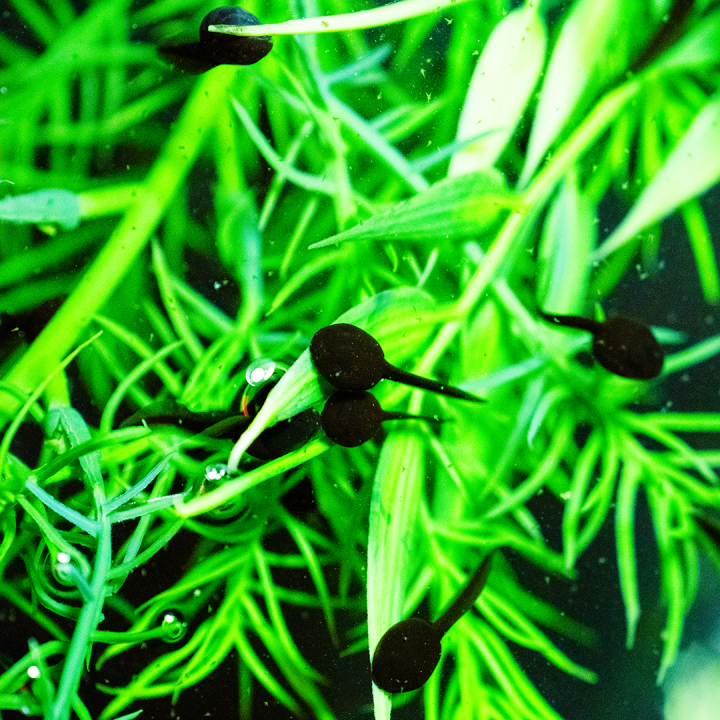
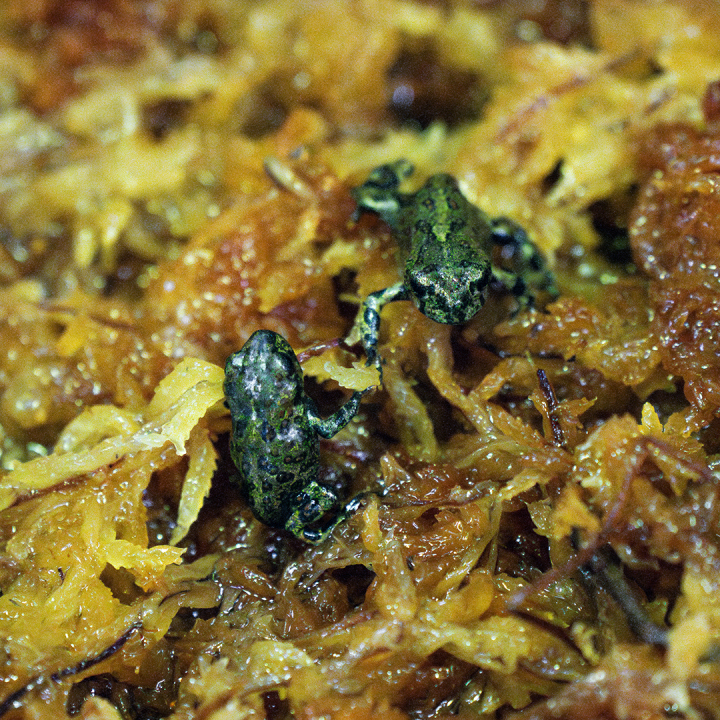
Development Stages and Growth of Western Toads


Species Survival Plans
Loveland Living Planet Aquarium collaborates with zoos and aquariums around the country to ensure the survival of threatened and endangered animals as part of several Species Survival Plan® (SSP) Programs as administered by the Association of Zoos & Aquariums (AZA). SSPs are conservation and cooperative breeding programs that help maintain genetic diversity and stabilize the population of specific species. The Aquarium is home to several SSP programs for various animals from around the globe.
Hover over the images to learn about some of the species we help protect and why they matter.
North American River Otter
Because otters rely on clean water, their presence is a key indicator of ecosystem health. A thriving otter population usually signals good water quality and a healthy environment.
Keel-Billed Toucan
Toucans disperse fruit seeds in the wild, encouraging genetic diversity and play an important role in creating a healthy rainforest ecosystem.
Blue Grey Tanager
Tanagers act as a vital pollinator in their habitats and survive in many ecosystems by traversing two continents.
Southern Three-Bended Armadillo
Armadillos control insect populations in the wild and keeping the ecosystem balanced by enriching the soil through their digging and diet.
Lesser Madagascar Tenrec
Lesser Madagascar Tenrecs control insect populations in their home in Madagascar. They share the greatest diversity in any living insectivore with their relatives.
Luzon Bleeding Heart Dove
Luzon Bleeding Heart Doves are a culturally significant animal in the Philippines where it is illegal to hunt according to local law.
Epaulette Shark
Epaulette Sharks’ role as a predator is vital to their habitats as well as being of interest to scientists for their ability to survive in low oxygen environments.